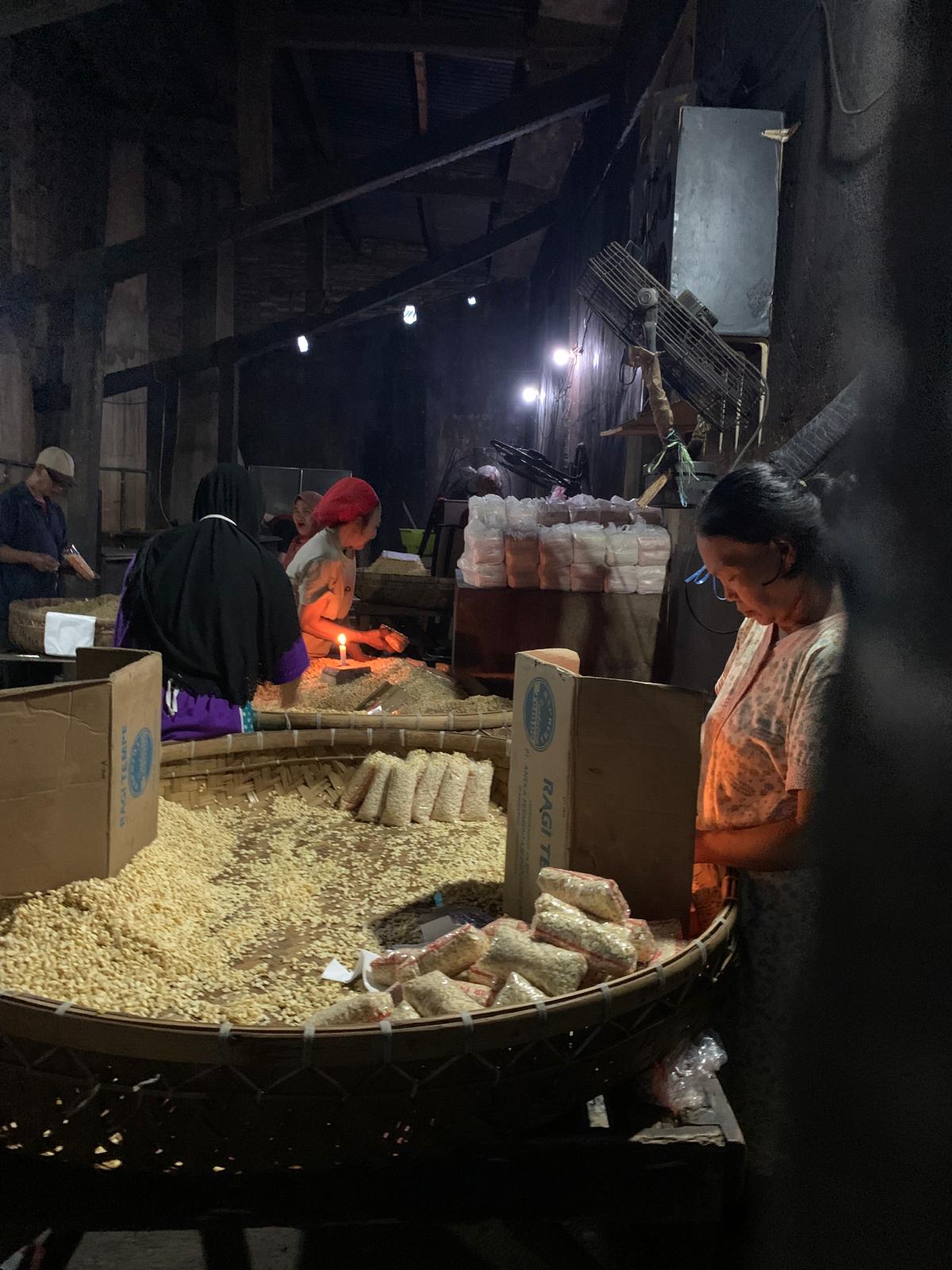
Tempeh relies on Rhizopus fungi, yet its microbial diversity has narrowed.
Tempeh is often viewed as a simple fermentation: inoculate cooked legumes with a starter culture and wait for the white mycelium to knit everything together. But beneath this apparent simplicity lies a vibrant world of fungal diversity. Historically, tempeh fermentation relied on a wider range of Rhizopus species and locally adapted strains than are commonly used today. As tempeh production expands beyond soybeans into grains, pulses, by-products, and new climates, an important question emerges: are all tempeh moulds truly interchangeable? In this presentation, we will explore the hidden diversity of Rhizopus and what it may mean for the future of tempeh. Drawing on scientific research, historical observations from Indonesia, examples from alternative substrates fermentation, and lessons from other traditions such as French cheeses and koji, we will examine how strain selection can influence growth, binding strength, flavour development, substrate compatibility, and resilience. We will discuss documented cases of diversity loss, including the disappearance of locally adapted moulds in parts of Indonesia, and consider why preserving fungal diversity may be as important for fermentation as preserving heirloom varieties is for agriculture.
We will explore the concept of a Functional Rhizopus Strain Atlas: a practical framework for documenting and sharing knowledge about strain behaviour across different substrates, climates, and production goals.
The history of Rhizopus diversity in tempeh fermentation
Evidence for fungal diversity loss in Indonesia
The Malang case: local adaptation and climate-specific strains
What quinoa tempeh teaches us about strain selection
Meet our guest

Anthony DELFAU
Fermenterie KEALA
My interest in microorganisms and the support they provide us stems from my experience in restoration ecology. I had the opportunity to work in this field in France (Landes), Brazil (Minas Gerais), the United States (California), and Australia (Queensland). During this time, I studied and implemented alternative techniques for propagating microorganisms in soil restoration and ecosystem rehabilitation projects, many of which were inspired by the work of Masanobu Fukuoka and his approach to working with natural biological processes. Today, I focus exclusively on edible substrates. I live in a village of just 140 inhabitants in rural southwestern France, where I operate a small fermentation workshop. My work centers on the cultivation of beneficial microorganisms through the production of tempeh, koji, and natto, combining traditional fermentation practices with a broader interest in microbial ecology. I like to think of my works in terms of applied ethnomicrobiology. Website: www.fermenteriekeala.com Socials: https://www.instagram.com/fermenterie_keala/ https://www.reddit.com/user/bagusnyamuk/ https://www.linkedin.com/in/keala-lowtech-biotech/
Why strains matter: growth, binding, flavour, heat, and performance
Lessons from Camembert, Brie, Blue Cheeses and fungal domestication
What the tane-koji industry can teach us about strain stewardship
The concept of a Functional Rhizopus Strain Atlas
Building resilience, adaptability, and innovation in future tempeh fermentation
and more...
Join us LIVE for this free event. Recordings are always available to TFS Members.
These events are free for all but recordings live with our member archives.
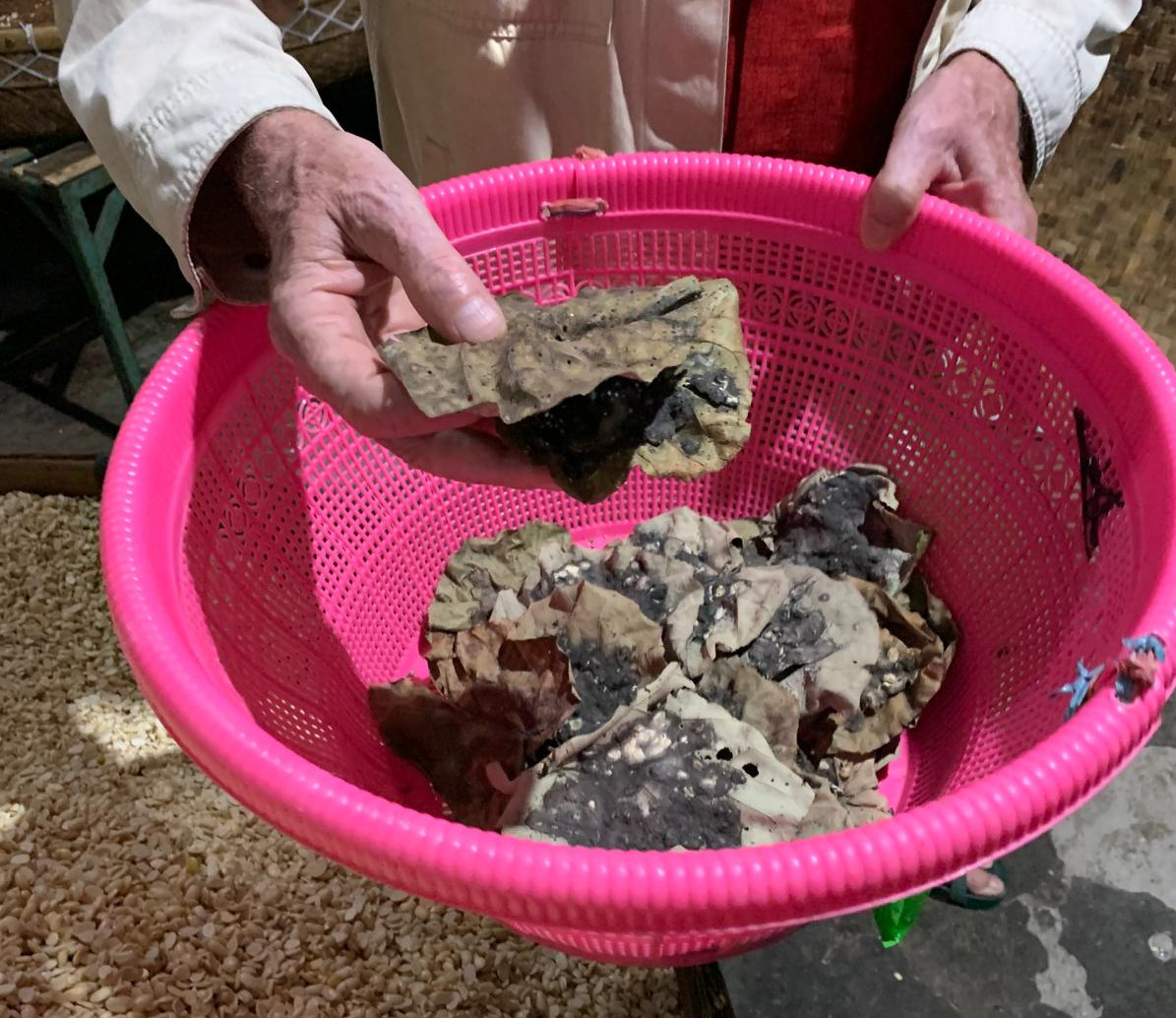
Usar in Malang -- original source of starter made on hibiscus leaves
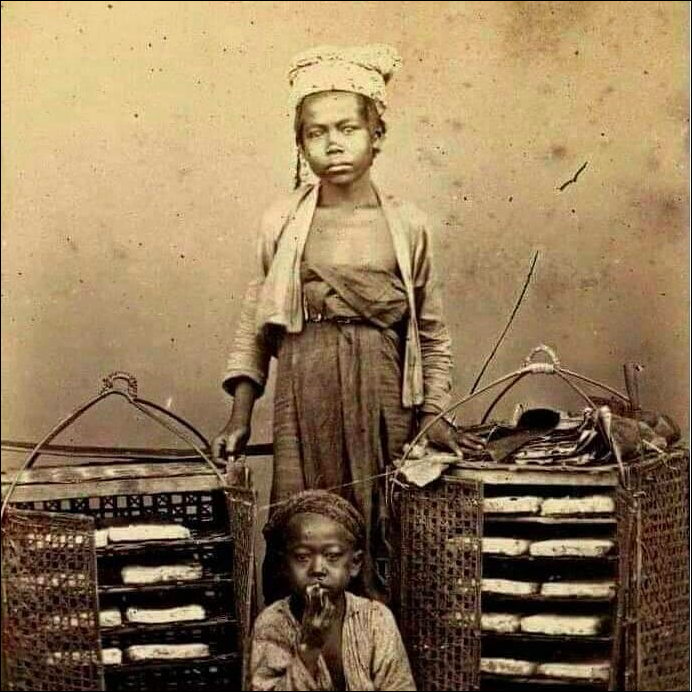
Java tempeh makers 1910
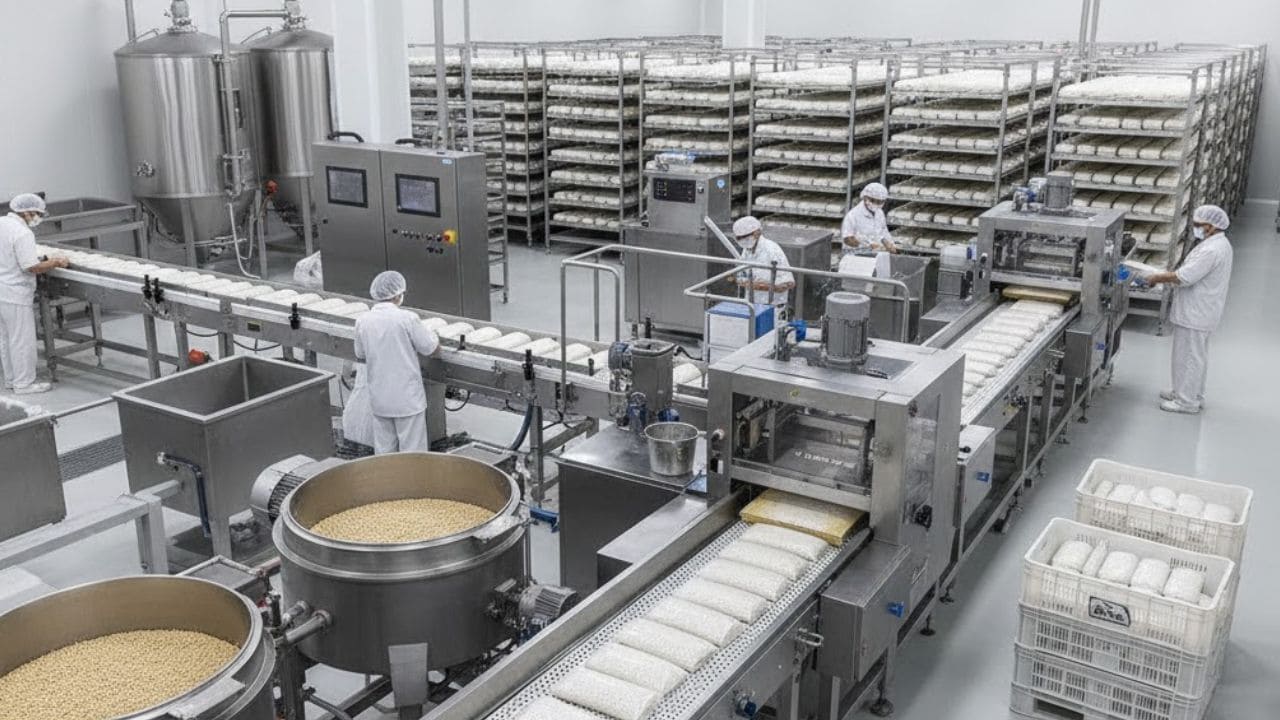
Modern Industrial Tempeh Making
Usar in Malang -- original source of starter made on hibiscus leaves
Modern Industrial Tempeh Making
Java tempeh makers 1910
Join us with this unique look at tempeh.
Remember this event is free to anyone during the time it is taking place live.
Recordings are only available TFS Members